Because the French have been saying YES to us for decades, today PANZANI IS SAYING YES to the shift in our sectors 

100% french durum wheat for our pasta* 
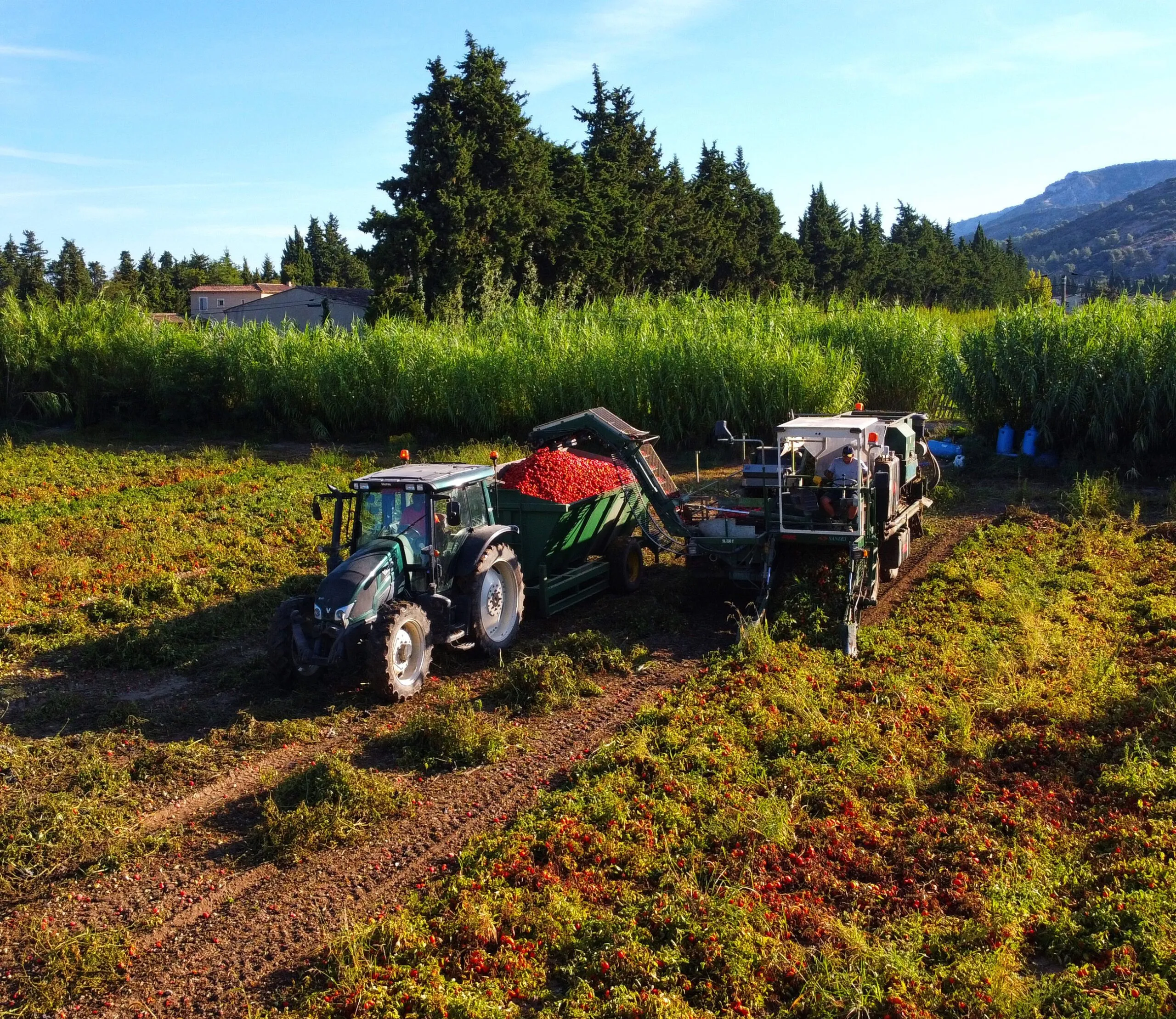
Target: 80% sustainable tomato production by 2030 



Because the French have been saying YES to us for decades, today PANZANI IS SAYING YES to the shift in our sectors


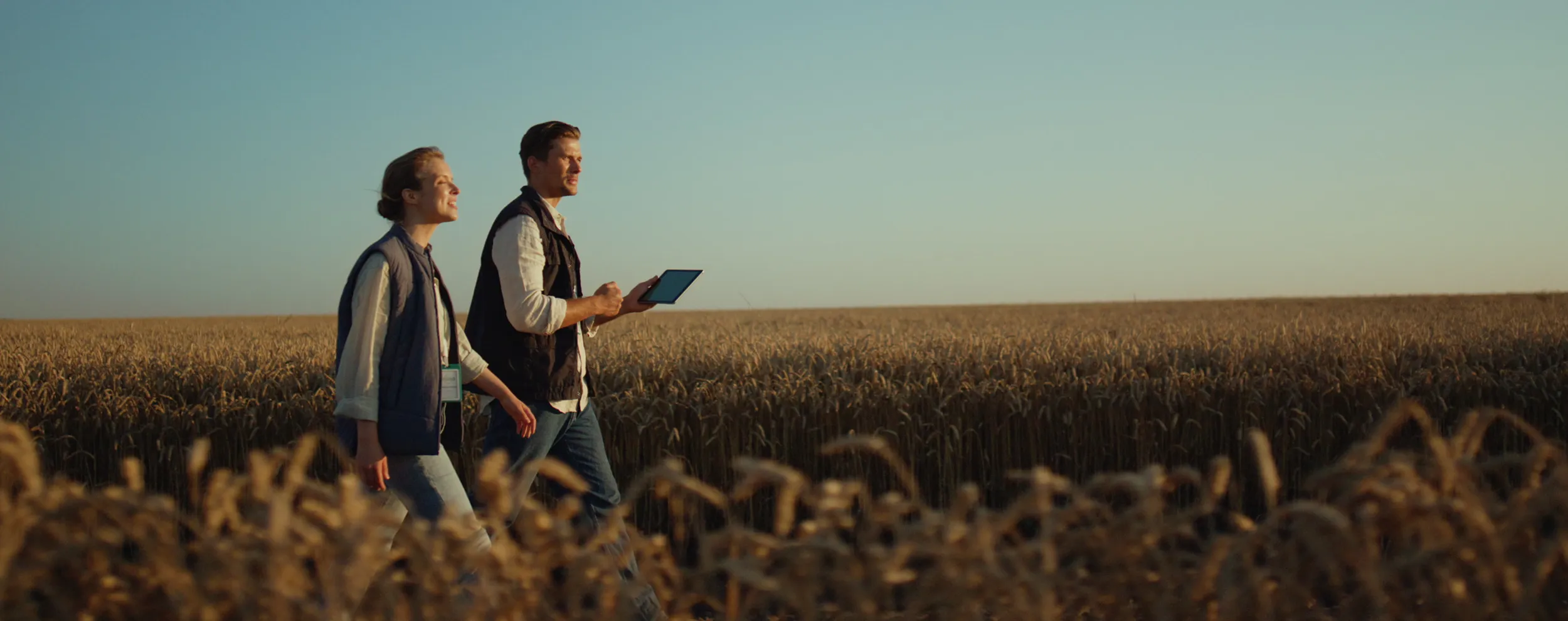

Farming is a passionate profession! Our farmers are proud to feed the French, and to know that their durum wheat is used to make the Panzani pasta that consumers love so much. They choose to work with Panzani because they share the same commitment to quality. As Panzani’s partner farmers, they adhere to a strict and demanding set of specifications

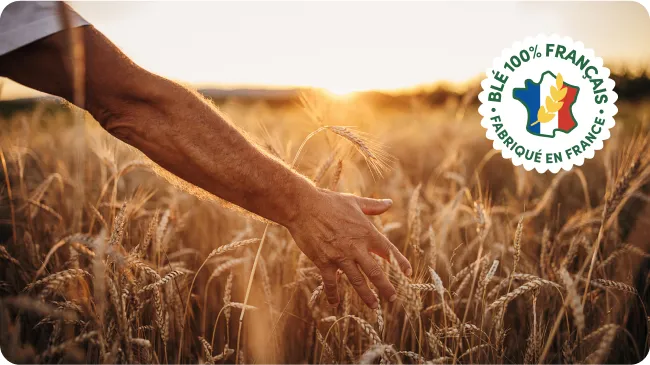

Durum wheat grown, milled and processed in France*:
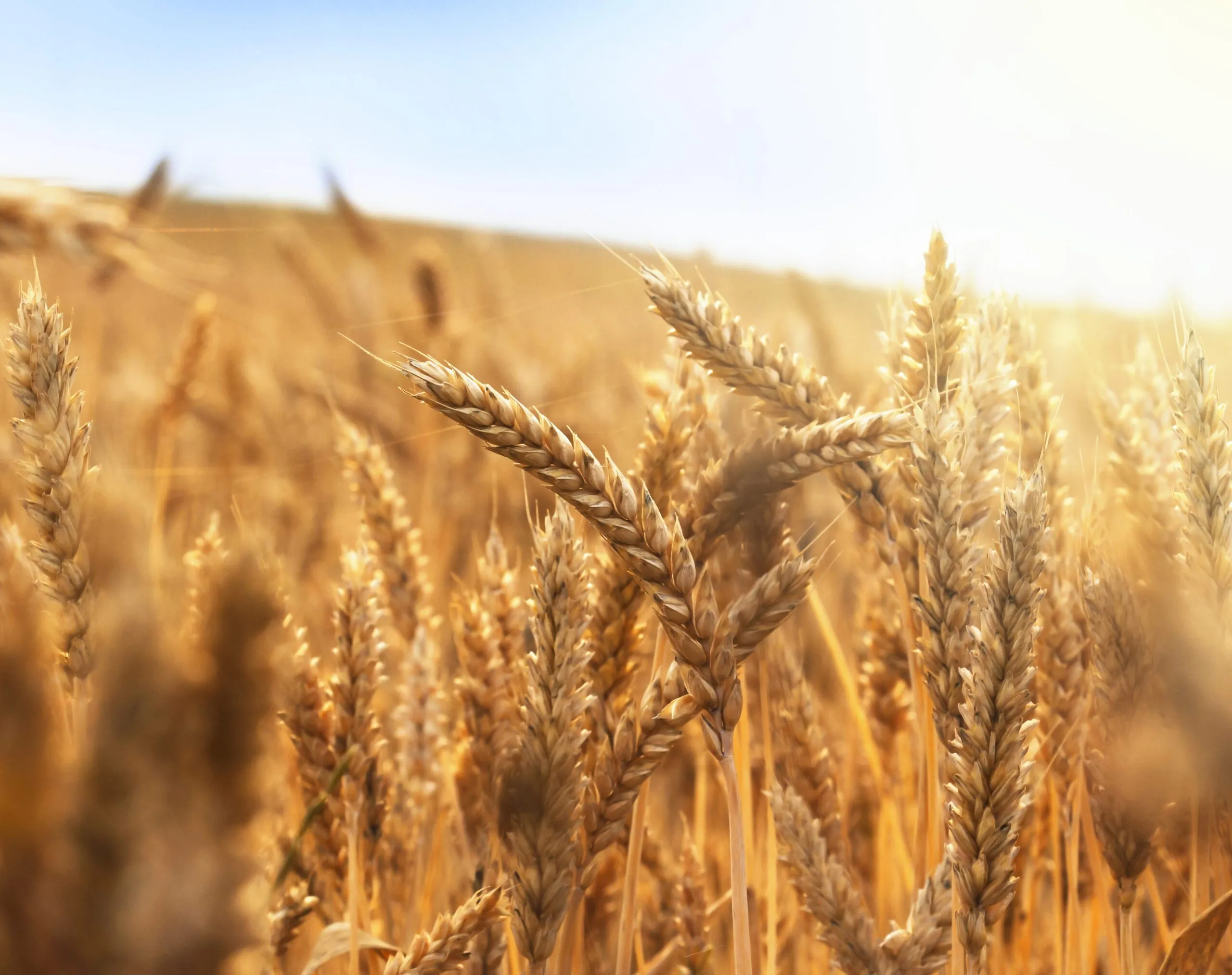
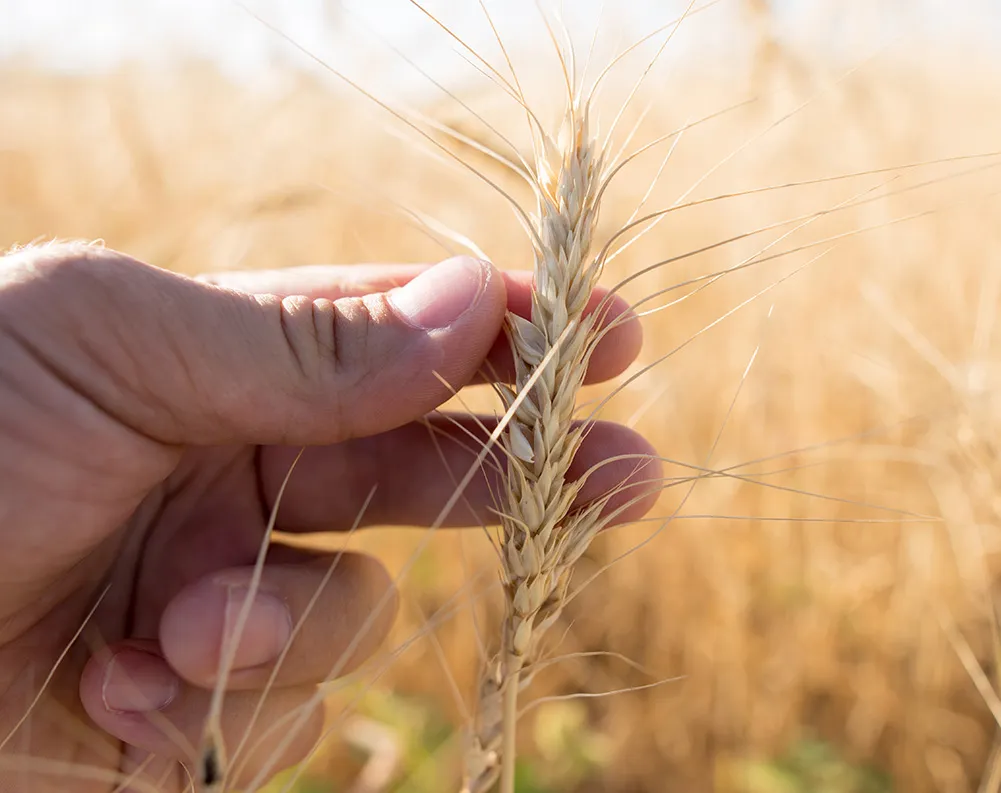
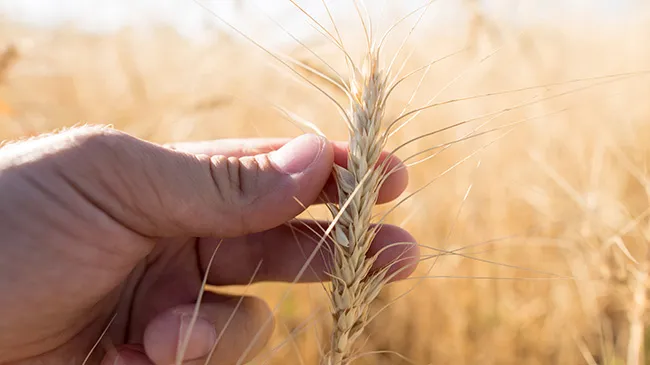
To make good pasta, the quality of the raw ingredients is essential. That’s why Panzani chooses 100% French durum wheat*, renowned for its excellent quality and grown close to our production sites.
*For products with the 100% French wheat logo.

 Towards minimizing the presence of pesticide residues in durum wheat by 2030
More than 1,000 hectares of flower beds planted by 2030
5000 bird sanctuaries by 2030
By supporting our farmers :
Through the implementation of agronomic trials, through a series of agricultural trials and pilot farms, with the backing of a Scientific Committee and our partners


1,300,000 Tons
= Durum wheat industry in France
= 5% of global durum wheat production
Panzani : 470,000 Tons
or 1/3 of French durum wheat

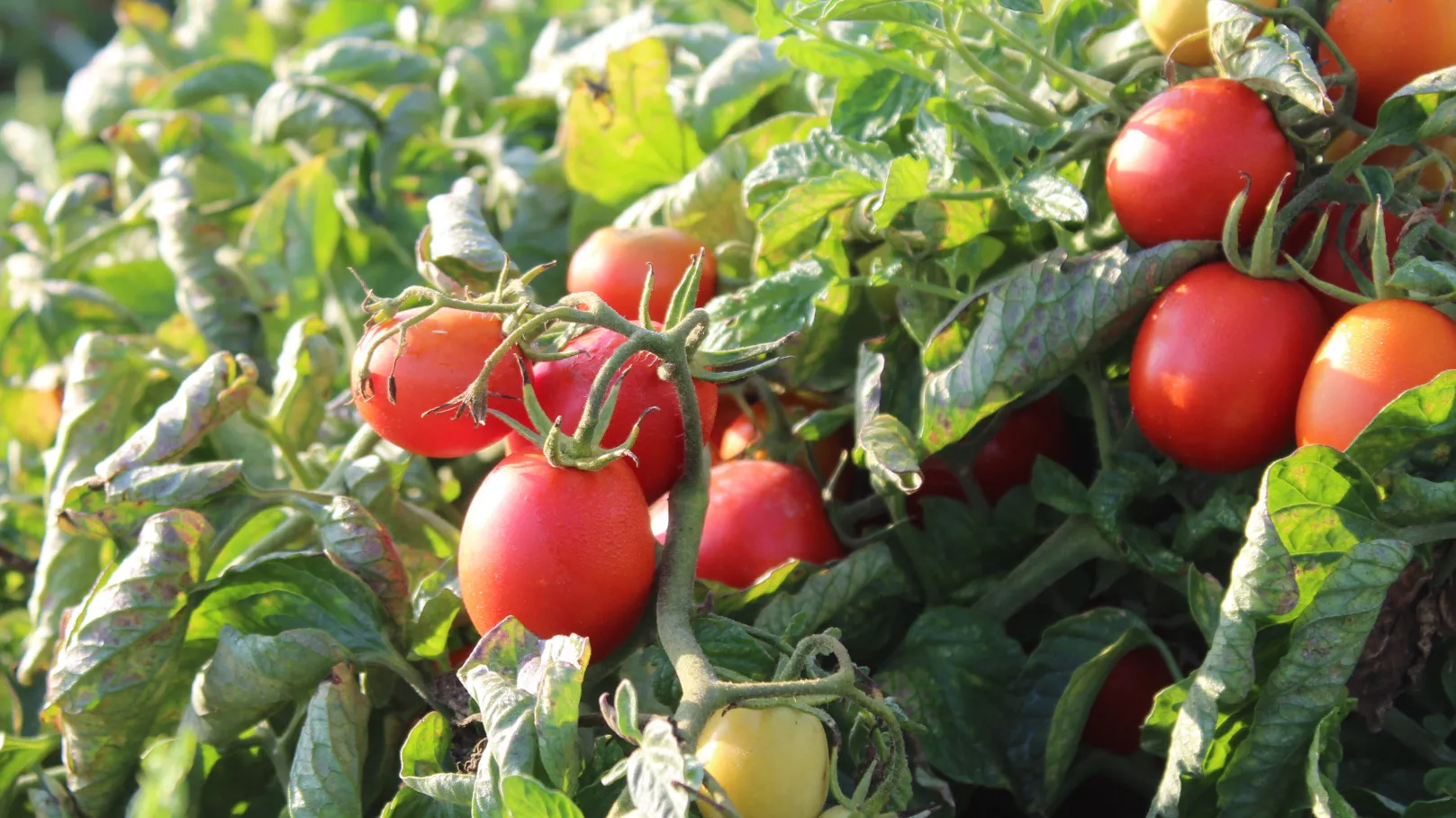
We mainly obtain our supplies from Italy and Spain, the biggest tomato-producing countries in France’s immediate vicinity, where growing conditions are ideal.
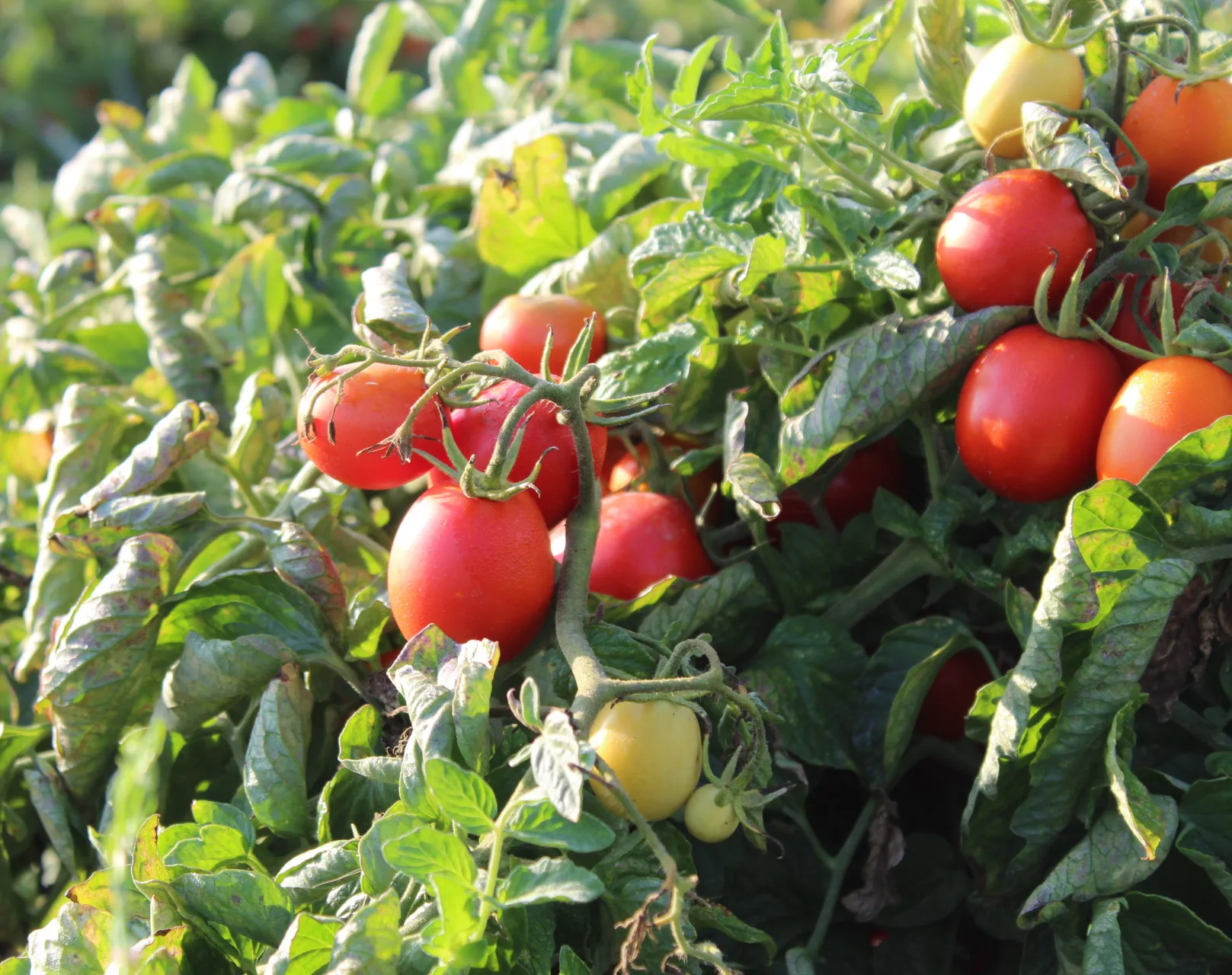
produced for Panzani are grown in open fields without the use of greenhouses, so that they can ripen in the sun during the appropriate season , which gives them their full flavour.

Harmonizing practices around a common framework
We have chosen to rely on a common framework that is internationally recognized and accessible to all our partners by aligning with the GlobalG.A.P. certification.
This certification provides a solid foundation for harmonizing agricultural practices, particularly in terms of traceability and irrigation management.
While some of our partners are already GlobalG.A.P. certified, not all have yet achieved certification. This is why we are taking a pragmatic and progressive support-based approach with our suppliers.
For partners already engaged in alternative certification schemes, we will conduct an assessment to ensure that these standards meet a level of rigor compatible with our own approach.
Finally, to support suppliers who are not yet certified throughout this transition process, we will implement tailored roadmaps including audits, milestones, and ongoing support over time.
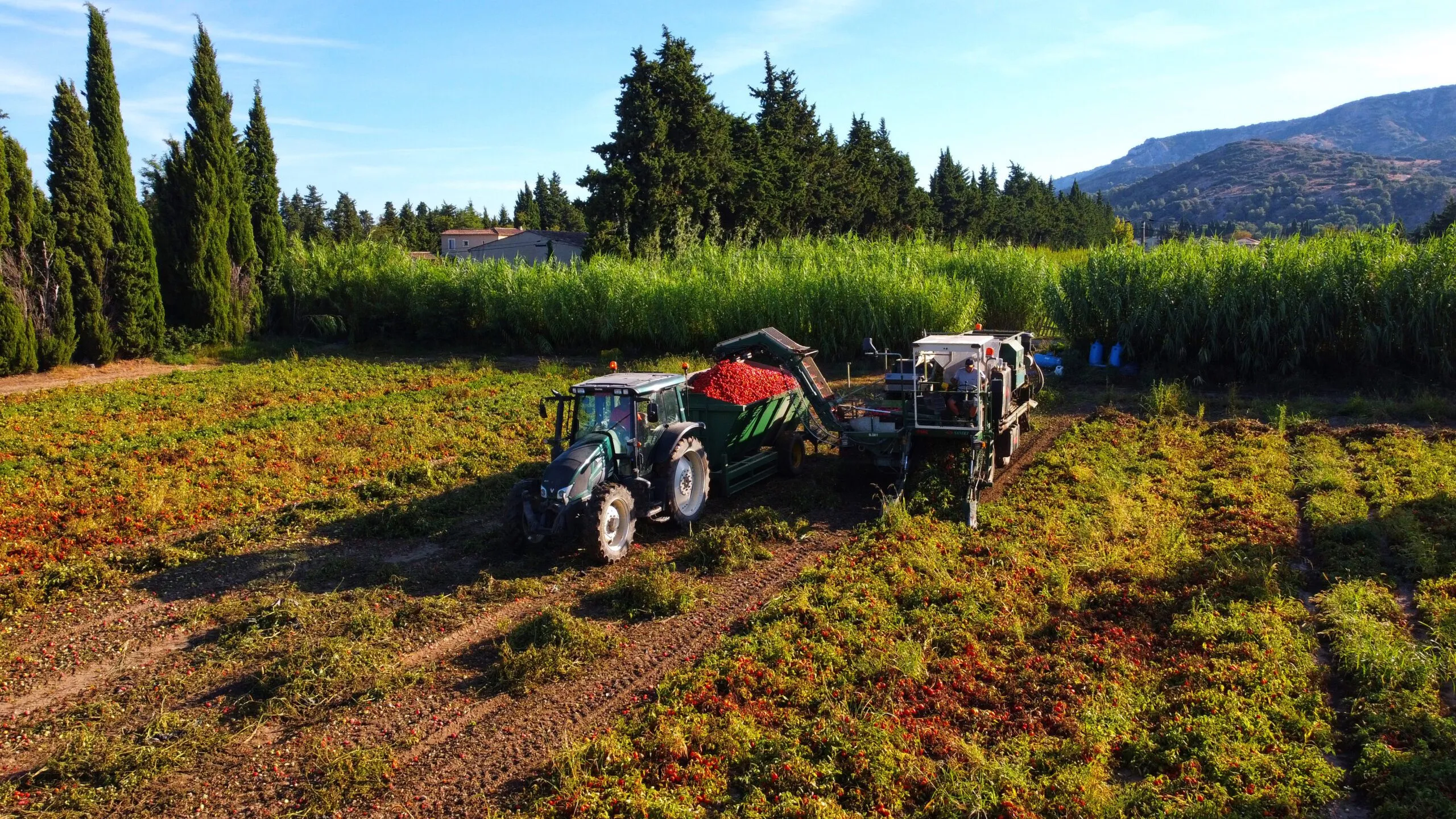
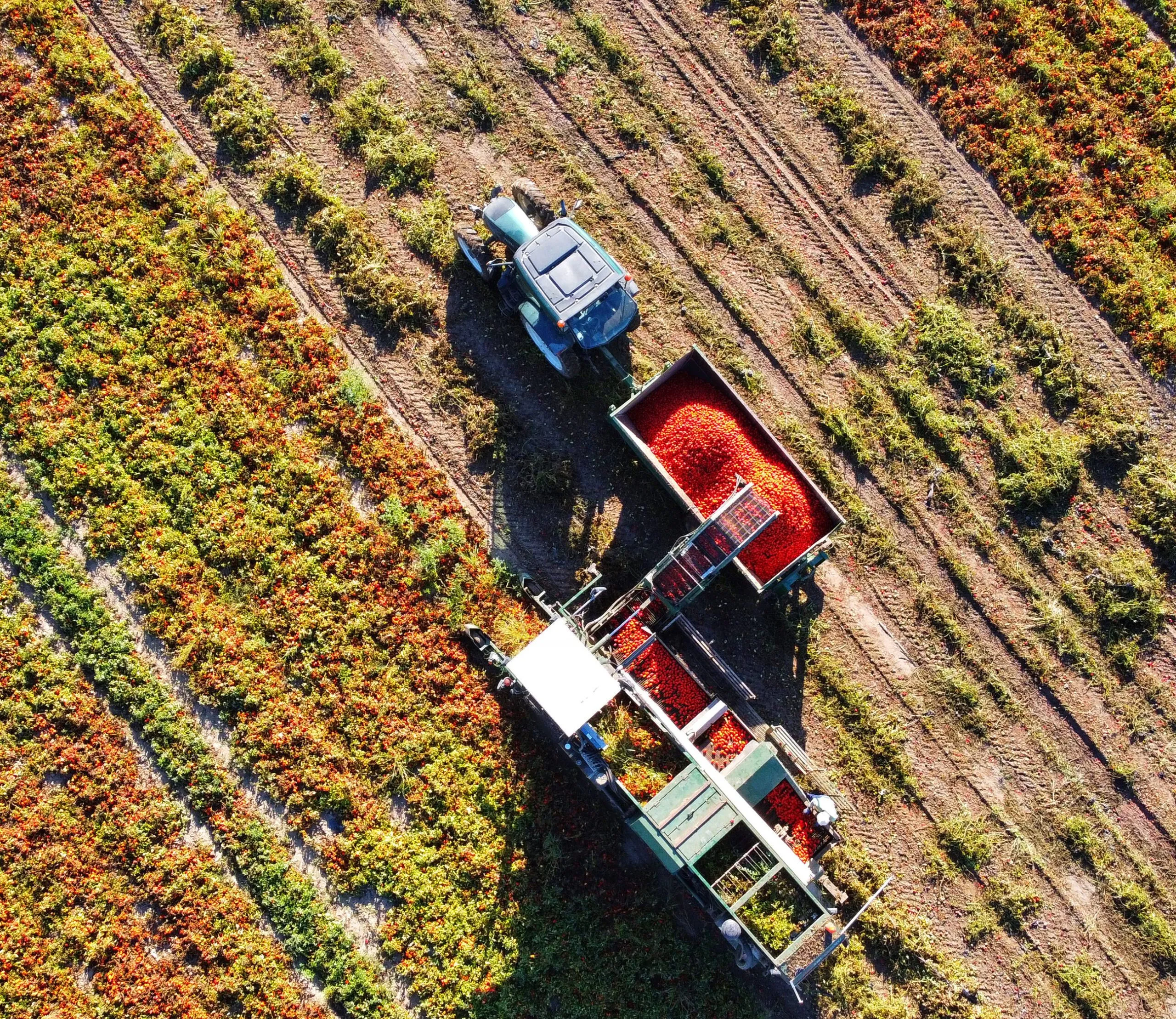
Panzani is actively involved in developing the industrial tomato sector in France.
France currently has a deficit, with a production of 160,000 tons of tomatoes compared with the French industry’s requirement of 1.1 million tons.
Since 2023, the company has been obtaining some of its supplies in France, and is working with its partners on a plan to increase volumes.
The tomato sector for industry in France
160,000 Tons
vs. a French industrial requirement of 1,100,000 tons
Panzani
100,000 Tons
of tomatoes needed to make our sauces